See where they roam
Open the app and see where they are now, or follow them live when they’re late home.

The Wandr GPS tracker sits on your cat’s collar and shows them live on the map in the free Wandr app, with an alert when they leave home. 32g, waterproof and up to 15 days a charge. £59, with a free PawTag™ in the box.
Live tracking runs on Care: £4.99 a month, or £3.42 a month paid yearly in the app. Start it on our website and your first 30 days are free.
Open the app and see where they are now, or follow them live when they’re late home.
Draw a zone around home and the garden. You get an alert when they leave it, and again when they’re back.
Hiding under a hedge or shut in a shed? Make the tracker ring and flash from the app.
Put them in Lost mode and pet owners nearby get their photo and last known location.
A GPS cat tracker works out where your cat is from satellites, then sends that location over the mobile network to an app on your phone. That second half is what makes it a tracker rather than a tag: you can see your cat from the sofa, from work or from the other side of the country, without anyone having to find them first.
Most of the time it checks in now and then, which saves battery and is plenty for a cat pottering round the gardens. When they’re late home, switch to live tracking and the map follows them as they move. The Wandr tracker listens to GPS, GLONASS, Galileo and BeiDou satellites, and indoors, where satellites can’t reach, it uses nearby Wi-Fi and mobile masts instead. It reports over 4G (LTE Cat 1) with the SIM built in, so there’s nothing to set up.
A tracker only helps if your cat wears it safely and happily. Cats climb, squeeze under fences and push through hedges, so the collar matters as much as the tracker.
A quick-release collar will sometimes come off, which is the point. If it does, the tracker shows you where it fell, so you can usually walk straight to it.
Less far than you might think. A study that put GPS trackers on more than 900 pet cats in the UK, the US, Australia and New Zealand found most spent nearly all their time within about 100 metres of home. A few roamed much further, often at night, and owners were usually surprised by where their cat really went.
That’s why safe zones work so well for cats. Draw yours around your home and the gardens they usually visit, and you’ll only hear about it when they go somewhere new. It’s also how you find the neighbour who’s been feeding them.
Over a couple of weeks the app learns your cat’s patch: the handful of streets and gardens where they spend most of their time. Alongside it, the tracker counts how active they’ve been, how long they’ve slept, how many times they’ve been out and how far they’ve gone, with a weekly summary against the week before. Cats hide being unwell, so a change, like sleeping much more or hardly going out, is worth noticing early.
Cats are visitors on every street they roam, so the Wandr app lets the neighbours help, if you choose to. You don’t need a tracker for any of it.
Lots of people search for a “cat tracker chip”, so it’s worth being clear: a microchip can’t track your cat. It has no battery, no GPS and no signal. It holds a number that a vet, rescue or council can read with a scanner held a few centimetres away, and that number leads back to you on a database.
Your cat still needs one. In England, it’s the law for cats over 20 weeks old to be microchipped, and it’s how a found cat gets home if their collar has come off. A microchip proves a cat is yours. A GPS tracker tells you where they are. The best protection is both, with a PawTag™ on the collar so whoever finds them can reach you without a scanner.
Bluetooth tags such as AirTag are small, cheap and have no subscription. But they have no GPS and no SIM: they’re only located when a phone passes within range. For a cat, that’s the problem. Cats roam back gardens, sheds and hedgerows, often at night, where nobody’s walking past with a phone. A GPS tracker reports for itself wherever there’s a mobile signal.
GPS trackers do, whichever brand you choose. The tracker uses mobile data every time it reports, and someone has to pay for it. We set out the options with no plan, what they can’t do, and what each costs over three years, in is there a cat tracker without a subscription?
With Wandr, the plan is Care: £4.99 a month, or £40.99 a year in the app (£3.42 a month). Start it on our website and the first 30 days are free, and you can cancel any time. See pricing for what’s included.
Cats that go missing are often closer than you’d think, shut in a shed or garage, or hiding somewhere quiet and too frightened to come out. With a tracker on, start with the map: switch to live tracking, walk to where it shows them, then make the tracker ring and flash to find the exact spot.
If they’re not where you expect, put them in Lost mode in the Wandr app. Pet owners nearby get their photo and last known location, with advice for where to look for a cat (sheds, garages, under decking and cars, at dusk with a torch), and neighbours can send you sightings. Anyone who finds them can scan their PawTag™ to reach you, even if the tracker’s battery has run out.
Choosing for a dog too? Our GPS dog tracker guide covers walks, recall and battery in more depth.
| Weight | 32g |
|---|---|
| Battery | Up to 15 days a charge (700mAh, rechargeable) |
| Waterproof | IP67: rain, wet grass and the odd puddle |
| Connection | 4G (LTE Cat 1) mobile network, SIM built in |
| Location from | GPS, GLONASS, Galileo and BeiDou satellites, plus nearby Wi-Fi and mobile masts |
| Works with | The free Wandr app on iPhone and Android |
| In the box | The GPS tracker and a free PawTag™ |
| Price | £59 with free delivery, then Care from £3.42 a month for live tracking |
The GPS tracker shows you where they are. The free PawTag™ that comes with it lets anyone who finds them reach you.
| Compared | 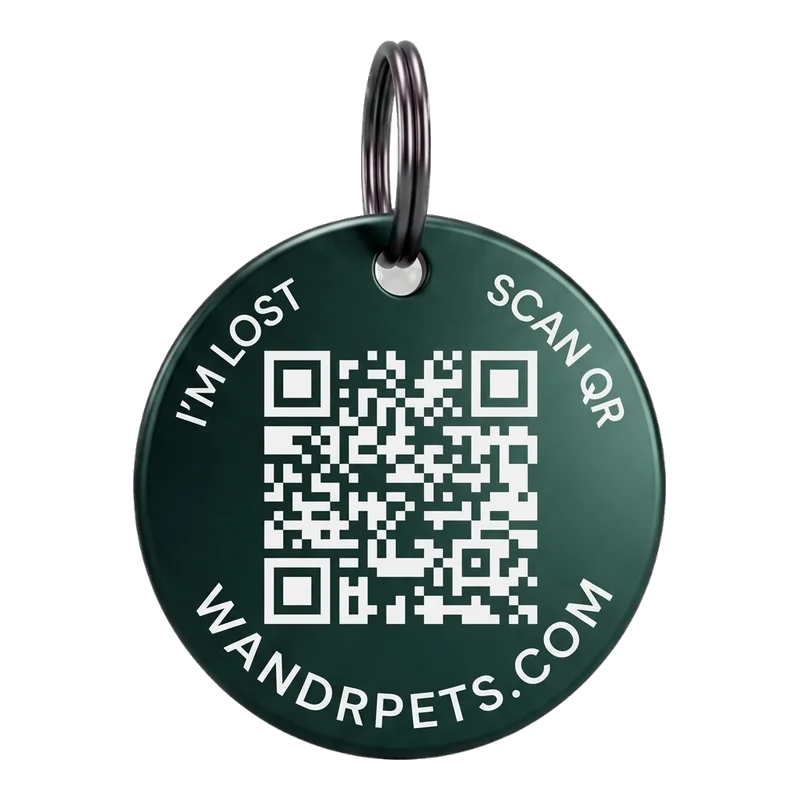 Wandr PawTag™Free, just pay delivery | 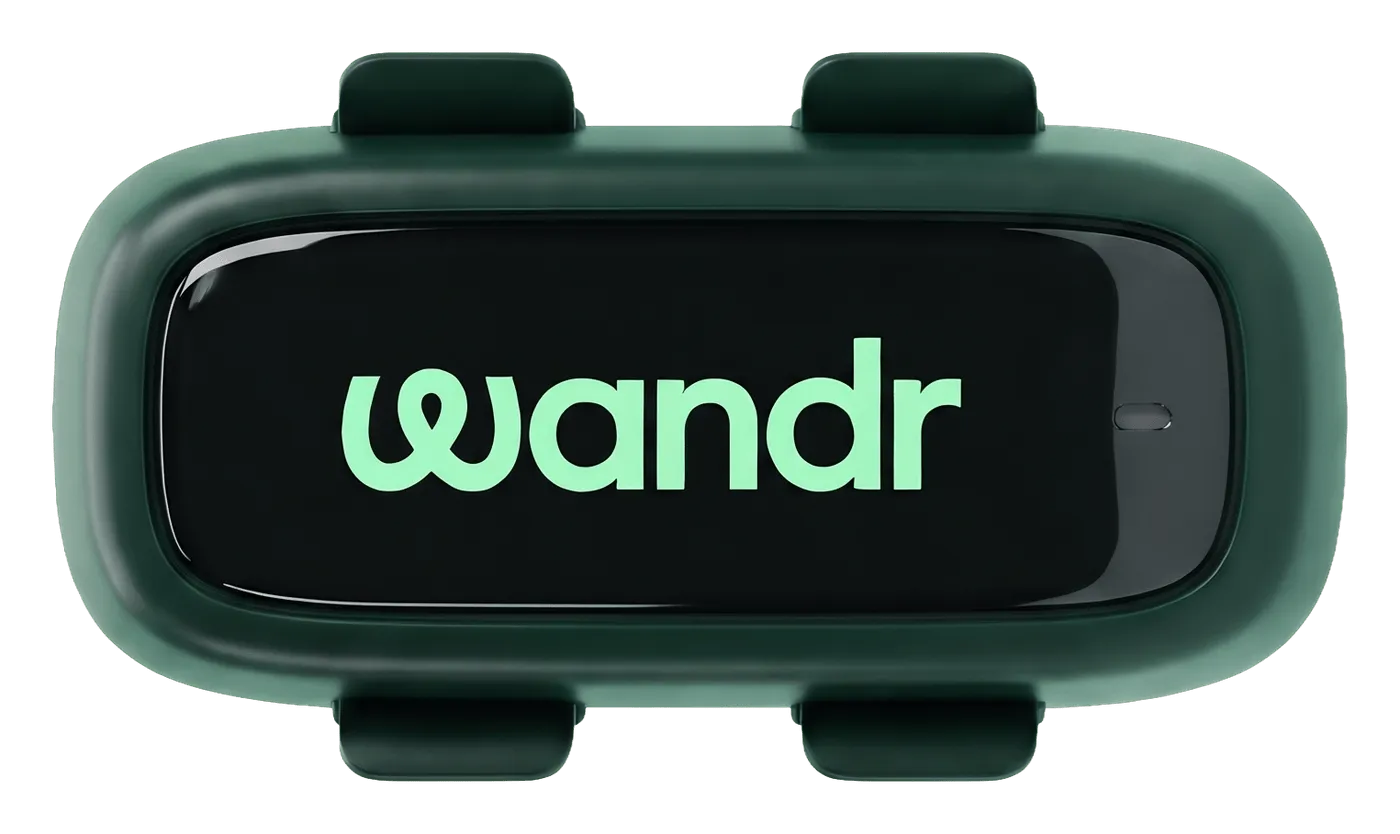 Wandr GPS tracker£59, free PawTag™ included |
|---|---|---|
| A finder can reach you | With a scan, no app needed | With the free PawTag™ |
| Where they are right now | Where each scan happened | Live on the map |
| Alert owners nearby when they’re lost | Free, with Lost mode | Free, with Lost mode |
| Safe zone alerts | Not included | When they leave or arrive |
| Find them by sound and light | Not included | With a tap in the app |
| Activity and sleep monitoring | Not included | Every day |
| Charging | No battery, never charge it | Rechargeable (up to 15 days battery) |
| Suitable for dogs and cats | Dogs and cats | Dogs and cats |
| Ongoing cost | None, no subscription | Care, from £3.42 a month |
Yes, on the right collar. Always use a quick-release (breakaway) collar, so your cat can pull free if it catches on a branch or fence. Check the fit often, and ask your vet first if your cat is small, young or not used to wearing a collar.
32g. Let your cat get used to the collar on its own before you add the tracker.
No. A microchip has no battery, no GPS and no signal. It only gives up its number when a vet or rescue scans it from a few centimetres away. It proves a found cat is yours, but it can’t tell you where they are.
Up to 15 days on one charge in power-saving mode. Live tracking uses more. Many owners charge it while their cat sleeps indoors in the day.
GPS trackers do, because the tracker sends its location over the mobile network and that data has to be paid for. Bluetooth tags have no subscription, but they only work when a phone passes close by.
£59 with free delivery, plus Care for live tracking: £4.99 a month, or £40.99 a year in the app, which works out at £3.42 a month. A free PawTag™ comes in the box.
Satellites can’t reach indoors, so there the tracker places your cat from nearby Wi-Fi and mobile masts instead. That’s less exact than outdoors, so use sound and light to find them once you’re close.
Get started today with a tag, and access a community that are here to support you.